
Making Friends with Fiber 🌾
Boosting your health, one bite at a time.

UPDATED: January 22, 2026
Welcome to the Healthy Living Is Good Medicine Newsletter, presenting timely, science-based, original articles covering a wide range of preventive medicine and public health topics, along with critical commentaries on the politics and economics of the American healthcare system.
Making Sense of Food Labels
Nutrition Facts labels are found on all packaged foods. If you have my Healthy Fiber Calculator mobile phone app when grocery shopping, it will help you decide what to buy. Simply plug in three values from the label, and the app will tell you if the food is recommended, acceptable, or should be limited. The app is free for paid subscribers, and for a limited time, I’ll make it a gift for anyone who donates $10.00 USD or more:
A food’s Ingredients List tells another part of the story. Generally speaking, if the list is longer than five ingredients, has sugar among the first three, if it contains high fructose corn syrup, chemicals, and other strange sounding items that would never have been found in your grandmother’s kitchen, it doesn’t deserve to be in your body.
The Payola Politics Pyramid
Touted by beef tallow loving RFK Jr, the new “Dietary Guidelines for Americans” has been heavily influenced by the meat and dairy industries. According to an investigative report, eight of the nine authors of scientific articles upon which the recommendations are based had recent financial ties to these sectors.
Critics argue that conflicts of interest influenced the guidelines to favor industry profits over standard nutritional advice, which includes widespread professional support for the Mediterranean diet. The Physicians Committee for Responsible Medicine has petitioned HHS and USDA to withdraw the new guidelines because of unlawful influence by the National Cattlemen’s Beef Association, the National Dairy Council, the Texas Beef Council, and the National Pork Board.
So, if we are to ignore the new upside-down food pyramid, what will stand in its place? Well, I’m here to tell you: Make high-fiber plants the foundation of your diet.
About Fiber
Bottom line, up front (BLUF): Dietary fiber is your friend! Eating it will keep you and your gut microbiome healthy and happy. Evidence suggests that fiber consumption will reduce the risk of metabolic syndrome, the scourge of our times. Build your meals on a foundation of fiber, because fiber is your friend.
Dietary fiber is a collective term for non-starch polysaccharides, cellulose, resistant starch, resistant dextrins, inulins, lignins, chitins, pectins, beta-glucans, and oligosaccharides. These are usually in short supply in the typical American diet. Starting the day with some fruit and a few nuts is a quick fix for a fiber-deficient breakfast. Then, add some legumes and whole grains to any meal meal of the day. Strive to make all your meals fiberlicious!
Fiber is what keeps the fructose in fruit from overwhelming the liver and producing toxic metabolic by-products. The fiber content is what makes eating whole fruits so much healthier than drinking fruit juices. Diets that are high in fermentable fiber and starches found in minimally processed plants foster an intestinal environment conducive to beneficial microbial activity. Tailoring fiber intake in order to modulate the gut microbiome’s composition might beneficially influence host metabolism and gastrointestinal function.
“Eat more fiber” is not a “one-size-fits-all” prescription. Rather, it is a general recommendation that should then be adapted in accordance with your individual genetics and lifestyle considerations. Just be aware that when you fiberfy your lifestyle, make it incremental; start low and go slow. You’ll need to give your gut microbiome enough time to adjust… or else you’ll be dealing with copious amounts of intestinal gas.
I’m hoping that 2026 will be a good year for increasing the fiberification of processed foods. With enough savvy consumers, we should be able to shape the market with our purchasing power. Refuse to buy any processed, plant-based foods that don’t contain enough fiber to make them healthy. You can use my app to show you the way.
High Fiber Foods
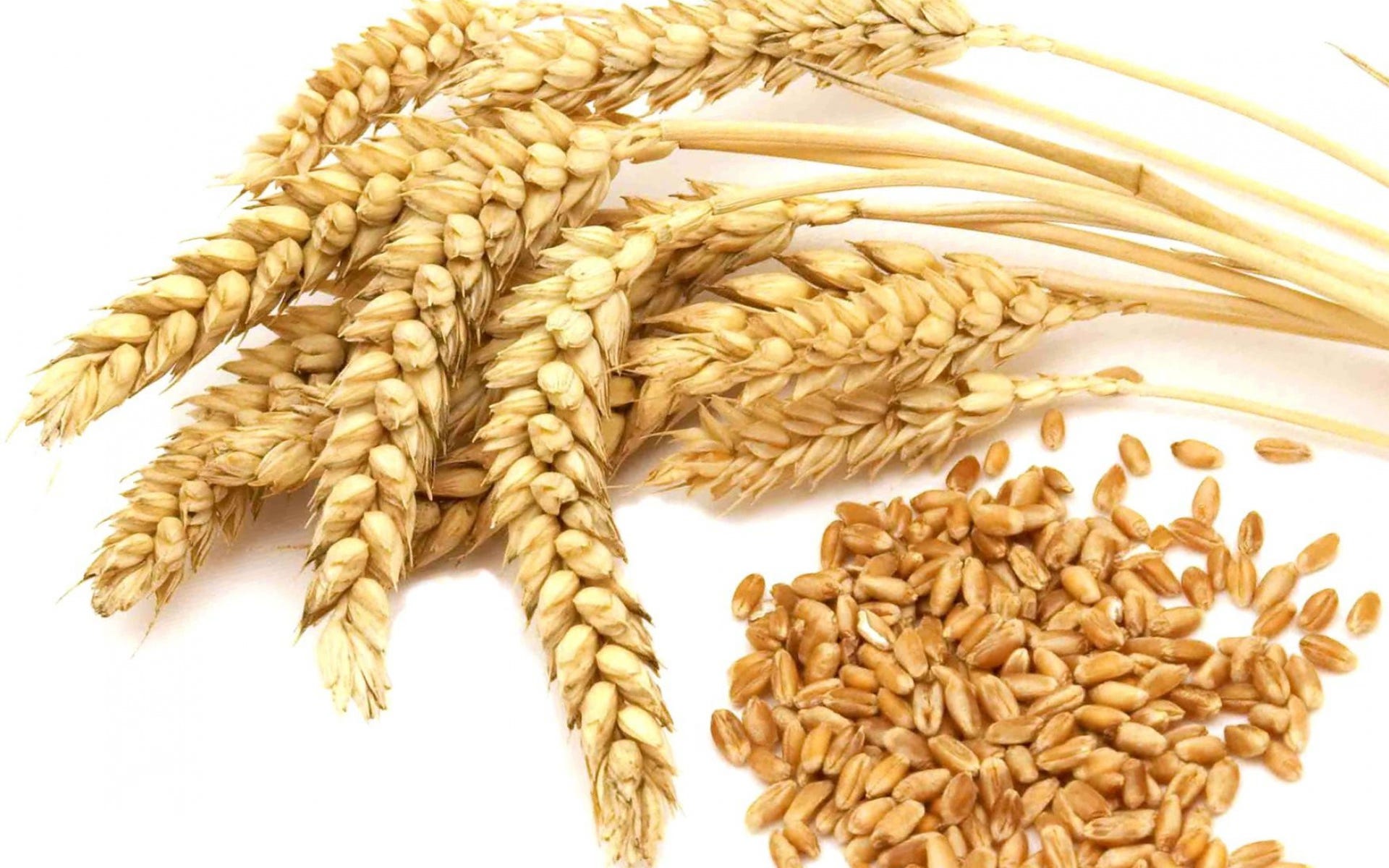
Dietary fiber can only be found in plant-based food sources, which range from raw or minimally processed plants to chemically engineered, ultra-processed foods (UPFs) that bear little resemblance to anything found in nature. To be considered healthy, plant-based foods should be high in fiber, low in carbs, and have little to no added sugars. As an example, Dave’s Killer Powerseed Bread is one of only a few healthy bread brands found in American supermarkets.

Whole Grains
What usually comes to mind when we think of sources of dietary fiber are grains. Whole grains, whole-grain, minimally processed cereals, and pasta made from whole grains or legumes, are generally among the healthiest fiber sources. Sadly, most breads, crackers, cereals, and your typical pastas are not.
I’m a huge fan of authentic rye bread. It is packed with fiber, B vitamins, and minerals such as magnesium and zinc. It has a lower glycemic index than whole wheat, leading to steadier blood sugar levels and helping to ward off diabetes, according to the Whole Grains Council. I’ve been experimenting with European-style rye bread and a rye quick-bread recipes. The perfected recipes will soon become available for paid subscribers.
Legumes
Beans, peas, lentils, and peanuts can be easily incorporated into most people’s diets. These legumes are loaded with fiber and amino acids, and are nutritional powerhouses. I try to include some with every meal, whether it is peanut butter on a crisp-bread cracker, or carrots and celery dipped in hummus. Tofu and red rice, or a side dish of edamame, work well for me. For breakfast, I might have some cooked barley with black beans, plus walnuts and fresh fruit.

Some Vegetables Require Cooking
Plant-based food sources can often be eaten raw, but there are some plants that are toxic unless cooked. For example, most beans contain high levels of toxins known as phytohemagglutinins. Eating only four or five raw beans can cause extreme nausea, vomiting, and diarrhea within hours. Of all the bean varieties, raw red kidney beans are the most toxic.
In order to detoxify beans, they must be minimally processed. Soak dried beans for at least five hours, and then boil them for at least 10 minutes. Using a slow cooker, without boiling them first, is actually dangerous, since it can increase the toxicity of beans by up to five times. I’m a big fan of canned beans that are low in sodium and have no preservatives.
The leaves, sprouts, and green underground tubers of potatoes contain the toxic glycoalkaloid, solanine. Eating potatoes with a high solanine content can cause nausea, diarrhea, confusion, headaches, and death. Cook your potatoes before eating them, and you’ll be safe. Note that if you run the Nutrition Facts information for instant mashed potatoes through my calculator, you won’t want to eat them.
There are a number of vegetables that contain high amounts of oxalic acid which can cause kidney stones in susceptible people. Those individuals should avoid radishes. Nobody should eat rhubarb leaves, even if they are cooked. Spinach and Swiss chard can be boiled for two minutes to leach out the oxalates, and the water should then be discarded. Steaming is less effective, and sautéeing or baking has no effect.
Both the roots and greens of beets are high in oxalates, and should be avoided by anyone on a low-oxalate diet. Beans, almonds, cashes, and peanuts also contain oxalates. Soaking dried beans for several hours and then rinsing them can reduce their oxalate content. Buckwheat, quinoa, and wheat bran contain moderate to high levels of oxalates.
Oxalates bind to dietary calcium and magnesium, and are then eliminated via the digestive tract. That can cause deficiencies of those two important minerals. However, consuming dairy products along with a high-oxalate food such as dark chocolate can help to reduce the absorption of oxalates. Drinking lots of water helps dilute oxalates in the urine, decreasing the likelihood of kidney stone formation. Taking a swig of kefir after a chocolate fix is my risk reduction strategy.
While the common grocery store mushrooms such as cremini and baby bella can be eaten raw, they are much harder to digest when uncooked. They also contain small amounts of toxins such as agaritine. Cooking them breaks down their otherwise indigestible chitin and neutralizes their heat-labile toxins.
Cashews purchased in grocery stores have first been steamed to remove toxic urushiol, even if they are labeled as “raw.” Urushiol is the same irritant found in poison ivy, and allergic reactions to urushiol can be severe. Note that the skin of mangoes also contains urushiol, and handling a mango can cause rashes in sensitive individuals. That’s something I frequently encountered when I practiced medicine in Hawaii.
Nuts, Fruits, and Fiber-rich Veggies
Look for fiber sources that are low in carbs. Nuts and seeds fill the bill, and also contain essential fatty acids. Walnuts and almonds, pumpkin seeds, and toasted and ground flax seeds are top picks. Eating a variety of seeds and nuts is an important addition to any diet.
Whole fruits such as apples, pears, blueberries, blackberries, and raspberries make great toppings for your breakfast whole-grain cereal. Notice that I’ve deliberately omitted bananas. They simply have too much sugar and starch in relation to their fiber, and they don’t get along well with other fruits because they contain very high levels of polyphenol oxidase.
Cruciferous vegetables round out the fibrous veggies list, with broccoli, cauliflower, brussels sprouts, and cabbages the top picks. Eggplant, zucchini, winter squashes, asparagus, bell peppers, and avocados also join the high-fiber hit parade. Collard greens, turnip greens, spinach, kale, and artichokes are worth considering. Substitute sweet potatoes for spuds and you’ve got it made. For a probiotic boost along with fiber, add some fresh sauerkraut or kimchi to your meal. It’s actually easy to ferment your own.
You might want to read my eBook, Rx for Healthy Eating. It provides an in-depth look at the nutritional principles behind a healthy diet, advice on how to make healthy meal preparation easier, and has 100 recipes to inspire culinary creativity. It is available from Barnes & Noble, Google Play Books, and the Amazon Kindle Store. The book costs less than a burger and fries, and comes with free updates. Unlike fast food, it could actually prevent a heart attack.
A Sample Recipe
As with most of my recipes, I don’t specify quantities. Cooking shouldn’t be like a chemistry lab project where everything has to be precisely measured. Eyeballing the ingredients and trusting your intuition are usually good enough. The big exception is baking, where exact quantities do matter.
Don’t be afraid of making “mistakes.” You’re cooking skills will improve with experience. If at first a recipe doesn’t turn out the way you want, then try, and try again. You can get it if you really want it, and you’ll succeed at last.
For more easy recipes with an international flavor intended to stimulate your cooking creativity, check out my eBook, Healthy Recipes World Tour. Updates to all my eBooks on Kindle are always free.
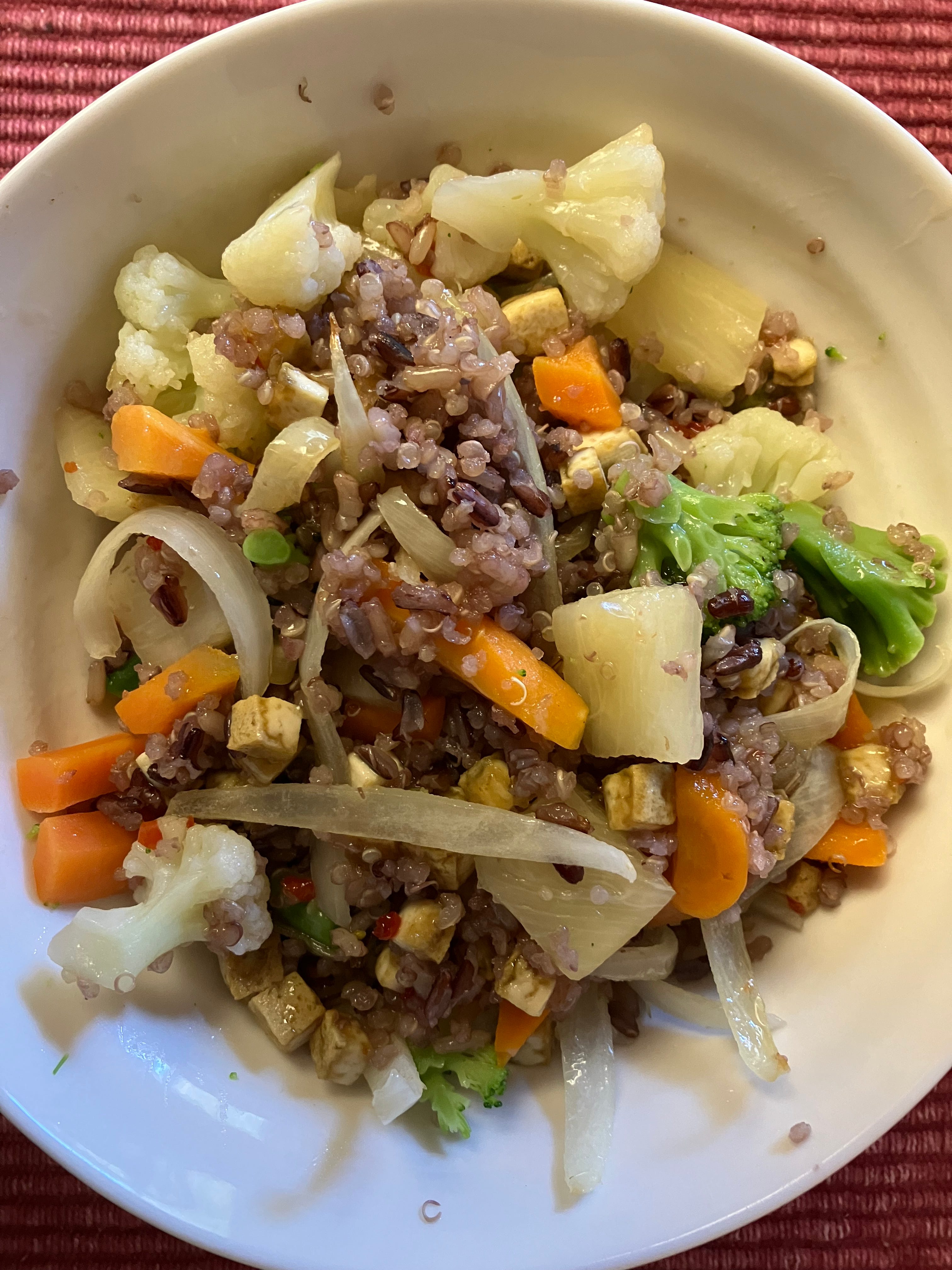
Healthy Fiber Bowl
Ingredients:
Whole grain and seed mixture, precooked (brown, red, and wild rice, plus quinoa, in a 3:1 ratio)
Tofu, organic, firm, cut into quarter-inch cubes
Yellow onion, sliced
Mixed vegetables, frozen (broccoli, cauliflower, carrots)
Pineapple chunks, canned in juice, cut in half
Extra-vigin olive oil (EVOO)
Seasonings of choice (I like Thai-style sweet red chili sauce and ginger.)
Directions:
Cook grain and seed mixture in a rice cooker set to brown rice ahead of time. Use 1 part grains to 2 parts water. Refrigerate when done, and reheat when needed.
Sauté tofu cubes in EVOO until golden brown.
Add onion and cook them until translucent.
Add pineapple and turn down heat to keep warm.
Microwave frozen vegetables, about 3 to 4 minutes, until done.
Serve vegetables and sautéed tofu over the warmed rice.
Season to taste, perhaps with less salt and more black pepper.
Recipe Copyright © 2026 by Mick Skolnick, MD - All rights reserved.
Recipe Notes
Tofu, made from soybeans, contains a “complete” protein that has adequate amounts of all the essential amino acides. The mixture of whole grains and seeds further increases the amount of protein in this one-bowl vegetarian dish. However, that may not be enough, especially if you’re exercising or you’re a senior.
You may need as much as 1.6 grams of protein per kilogram of bodyweight per day, in divided doses, if you are a very active senior. Those who are sedentary will need at least 1.2 grams of protein per kilogram to resist age-related sarcopenia. However, regular exercise, which can act like a “wonder drug,” is also necessary.
Small inceases in physical activity can have large effects, according to a 2026 study. Modest, concurrent improvements in sleep, physical activity, and diet were associated with meaningful gains in lifespan and healthspan in another 2026 study. That’s a small investment in a healthier lifestyle that produces big returns!
Well, there you have it. Learn to love fiber-rich real foods, and fiberfy your daily meals. This simple and inexpensive addition to your diet will help you live long and prosper!
This Post may be updated at any time. Please check back here again to find the latest information on this subject.
Find more articles about Healthy Living in my Post Archive.
Please share my Website Link with others via your social media accounts.
You can help your friends and followers become healthier by suggesting that they subscribe to this Newsletter. You may receive access to premium features as a thank-you for making referrals:
If you find this Newsletter of value, and want to lend your support, please make a donation that will help it reach many more people: