
Healthier Holidays
For a Happier New Year

UPDATED: December 27, 2025
Welcome to the Healthy Living Is Good Medicine Newsletter, presenting timely, science-based, original articles covering a wide range of preventive medicine and public health topics, along with critical commentaries on the politics and economics of the American healthcare system.
For many of us, the month of December is notable for its holidays, and of course we will want to enjoy them to the max. That includes being prepared for the surges in respiratory illnesses that result from more time spent indoors with other people during the colder weather.
I hope that by now you are fully up-to-date on your flu, covid, RSV, and pneumonia vaccinations. Unfortunately, we can no longer expect rational guidance from the CDC after falling under the influence of anti-vaccine crusaders. For expert opinions on the subject of staying healthy during the expected winter surges, I recommend “Your Local Epidemiologist,” the “Covidlandia” updates, and “Dr. Ruth’s Newsletter.”
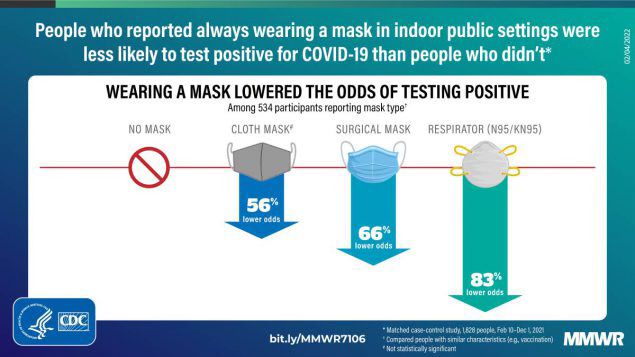
As always, correctly masking with an N95 or equivalent when indoors in public spaces is your best first-line defense against airborne infections, regardless of what other people might think or say. Hand-washing with soap and water, and using a hand sanitizer is also important. Air purification and effective ventilation of indoor spaces are part of an effective public health strategy. If all else fails, an antiviral medication should be initiated as soon as possible after becoming ill.
Celebrating Responsibly
While taking part in the festivities, we can also consider how our choices might impact our health. Not driving under the influence of drugs or alcohol remains an essential preventive strategy. Please be a responsible host and protect your guests from the risks that accompany intoxication. Afte rall, the life you save might be mine!
Just because it’s the season to eat, drink, and be merry, we don’t have to let our celebratory mood serve as an excuse for excess. We can still have fun, while not overindulging in things that aren’t particularly good for us. Large doses of salt, sugar, saturated fats, alcohol, tobacco, and recreational drugs can take a toll on our bodies, even when they aren’t causing immediate adverse effects. This link has helpful suggestions about how to keep your healthy routines on track during the holiday season chaos.
Clinical effects are characterized by clear, measurable signs and symptoms of disease or illness that are readily apparent to the affected person and a healthcare provider. The damage to the body’s systems is substantial enough to cause an overt, diagnosable condition that usually requires medical attention. The effects can be detected through a standard clinical examination and routine diagnostic tests. The heavy drinking of alcohol is a glaring example of how a toxic substance produces measurable damage.
Subclinical effects constitute the subtle but measurable changes in organ function that are not yet severe enough to produce the overt symptoms of a full-blown illness. While damage is occurring at the cellular or biochemical level, the patient may be asymptomatic or only have nonspecific complaints. Detection will require specialized testing based upon an index of suspicion. If exposures continue or the dose increases, these effects can progress to a clinical disease. So-called “drinking in moderation” would appear to fit in this category.

Undetected effects are changes that have occurred in the body due to toxic substance but have not been identified by current screening or diagnostic methods in use. The available technology may not be sensitive enough to discern those subtle changes from the body’s normal “background noise.” For example, the effects of DNA damage or gut dysbiosis may remain hidden until they manifest as diseases many years later.
Undetected effects are a concern in toxicology because they represent a hidden biological toll that could contribute to long-term health issues or chronic disease down the line. The known risks of cancer and cognitive impairments from repeated light drinking are being missed or ignored by too many people, including physicians, who are willing to compromise their health while being poisoned for profit.
A recently published analysis of cohort, case-control, and Mendelian randomization studies suggests that even small amounts of alcohol can potentially damage the brain and increase the risk for developing dementia. It seems that no level of alcohol is safe for the brain.
Controversy Over Alcohol and Heart Health
The controversy involves a publication by the American Heart Association (AHA) of a statement that interprets observational data suggesting potential cardiovascular benefits from low-to-moderate alcohol consumption, defined as one to two drinks per day. This conflicts with newer methodological approaches and concerns about overall health risks, including the strong evidence for alcohol's carcinogenicity at even low levels of repeated consumption.
The AHA statement acknowledges that observational studies have historically shown a J- or U-shaped relationship between alcohol consumption and certain cardiovascular outcomes, with the lowest risk appearing at low intake levels for conditions such as coronary artery disease and ischemic stroke. The statement admits that the data is drawn from observational and is therefore prone to bias and confounding.
These studies all have a serious methodological flaw: Subjects were divided into drinker and non-drinker categories at a single point in time, but drinking habits can change. Therefore, the non-drinking group includes people who have stopped drinking because of health problems, adverse medication interactions, advancing age, a prior history of problem drinking, etc.
As might be expected, former drinkers would have a higher risk of morbidity and mortality during a study’s follow-up period. Thus, the “control group” in these studies actually contained a mix of people at variable levels of risk. If ex-drinkers are excluded, and only lifelong non-drinkers are compared against drinkers, the J/U-shaped curve disappears, showing absolutely no cardiovascular benefits from light drinking.
The AHA says that it remains unknown whether drinking is part of a healthy lifestyle, and does not support initiating alcohol consumption at any level in order to improve cardiovascular health. Recent studies using Mendelian randomization and individual, participant-level meta-analyses have further challenged the cardioprotective hypothesis. These newer methodologies suggest that any apparent benefits of light-to-moderate drinking may have been skewed by confounding lifestyle factors, rather than representing true causal relationships.
The controversy is further complicated by the fact that when you look beyond some of the some cardiovascular outcomes, alcohol consumption clearly increases risks for cancer, some other diseases, and alcohol-related injuries. The relationship between alcohol and cardiovascular disease also varies by outcome. For example, atrial fibrillation and hemorrhagic stroke show direct harms even at low consumption levels.
The AHA statement suggests that more studies are needed before reaching definitive conclusions about low-to-moderate alcohol consumption’s impact on cardiovascular health. Since the current evidence base cannot establish causality, and randomized, controlled trials (RCTs) are unlikely for ethical reasons, I’d suggest that when dealing with uncertainty medical practitioners might want to shift their professional advice toward greater precautions.
The fact remains that at least half of U.S. physicians drink alcohol, and presumably have subconscious biases that make it difficult for any evidence that conflicts with their pre-existing beliefs to gain traction. As a patient, I would certainly like to know where my doctor personally stands when it comes to drinking, as that will no doubt influence how they interpret the evidence and dispense their advice.
Your Body, Your Choice
Alcohol appears to have a cumulative detrimental effect that’s related to its dose over time, regardless of how small the dose. Drinking too much alcohol all at once can kill you. Alcohol is used as a disinfectant in hand sanitizers. If it can kill one-celled organisms on your skin, what do you think it is doing to the cells in your body as it travels from your mouth to your gullet? Once absorbed, its toxic by-products can affect multiple organs.
The evidence for alcohol being harmful is convincing, and many physicians, myself included, are now advocating for abstinence, or at least limiting intake as much as possible. Anyone who drinks and is having problems with their memory will need to choose between their brain and booze. This precaution especially applies to anyone who has any kind of neurodegenerative disorder. Alcohol is clearly a nerve poison! If your nervous system is already diseased, please don’t make it worse.
I have, in the past, been an occasional light drinker of beer and wine, mostly to be sociable, and never when I was alone. Now, I see no upside to spending money on alcohol, or accepting a drink just to be sociable. When viewed from a strictly physiological perspective, the pros for drinking seem weak while the cons are quite strong. My weighing the potential risks against the alleged rewards supports my current choice not to drink.
Ultimately, I trust my readers to apply their critical thinking skills, make rational and well-informed choices for themselves, and to not be swayed by peer pressure, social media influencers (regardless of their credentials), family expectations, and the constant barrage of alcohol industry advertising.
Food and Water
While avoiding alcohol, I also want to minimize my exposure to othe toxins, such as the agricultural and industrial chemical contaminants commonly found in our food and water supplies. I try to choose healthier alternatives whenever possible, but I don’t want to get obsessive about it, or become an obnoxious party-pooper. If I sound too preachy, consider Oscar Wilde’s riff on Socrates’ admonition: “All things in moderation, including moderation.”
Filtering or distilling my tap water before drinking it doesn’t feel excessive, and I’d rather hedge my bets in this area. People do vary widely in their body’s ability to detoxify certain substances, as well as in their willingness to accept the potential risks in exchange for expected benefits. So, I can’t offer a “one size fits all” prescription. I’m simply suggesting that we strive to maximize our joys while minmizing harms.
When it comes to most ultra-processed “foods” (UPFs), if those super-tasty chemical concotions aren’t nourishing, I won’t eat them. I don’t want to waste my money on junk, and I most certainly don’t want to be a slave to my taste buds, especially when they can so easily be hacked by non-nutritive food additives.

I much prefer making conscious, rational choices about what I eat and drink. Fortunately, it has been fairly easy going through “taste bud rehab” and learning to appreciate what is actually good for me. Now, when presented with choices, I only need to ask myself, “Will this contribute to my health?” That’s exactly what someone should expect from a doctor who teaches (preaches?) about healthy living being good medicine.
The Limits of Lifestyle
As a strong advocate for preventive medicine, I must also acknowledge some of its limitations. Lifestyle modifications can be enormously helpful for those who are willing to adopt them. That’s why I publish this newsletter. Healthy living isn’t on everyone’s radar, but I hope it will soon be.
There are, however, patients for whom a genetic predisposition to metabolic disorders such as hypertension, hyperlipidemia, and hyperglycemia will require pharmacological interventions despite a better diet, more exercise, getting adequate sleep, etc.

Knowing who to advise on lifestyle alone, and for whom to recommend treatments that combine lifestyle modification with medications, is a crucial first step for physicians. In all cases, treatment must be individualized. A competent primary care provider will know how to effectively employ both approaches to optimizing health.
― ― ―
This Post may be updated at any time. Please check back here again to find the latest information on this subject.
You can find more articles about Healthy Living in my Post Archive.
Please share my Website Link with others via your social media accounts.
Help your friends and followers become healthier by encouraging them to subscribe. You will receive special benefits for making referrals: